Nestled in the subtropical lowlands of Nepal, Chitwan National Park is a haven for nature enthusiasts and wildlife lovers. Established in 1973, this UNESCO World Heritage site covers 932 square kilometers of dense forest, grassland, rivers, and marshes.
Whether you’re hoping to spot the elusive Bengal tiger, get close to a one-horned rhinoceros, or just soak in the scenery, Chitwan delivers an experience unlike anywhere else in Nepal. Here’s everything you need to know before you go.
Trevorocity is reader-supported. When you buy through links on this site, we may earn an affiliate commission.
When to Visit Chitwan National Park
Chitwan is a year-round destination, but the best time to visit is the dry season, from October to March, when the weather is cooler and wildlife sightings are more frequent.
Peak Season (October–March)
Daytime temperatures run 25–30°C with cooler nights. Less foliage makes it easier to spot one-horned rhinos, elephants, and a wide range of bird species — and if you’re very lucky, a tiger, though sightings are rare. This window is ideal for jungle safaris, bird watching, canoeing, and guided nature walks. It’s also the busiest and most expensive time to visit.
Monsoon Season (June–September)
Heavy rainfall brings lush, green landscapes and temperatures around 30°C. Wildlife is harder to spot through the dense vegetation, and some jungle safaris may be limited by muddy or flooded trails. Fewer tourists means a quieter trip and better accommodation deals. Note that the road from Kathmandu to Chitwan can wash out or flood during heavy storms.
Shoulder Season (April–June)
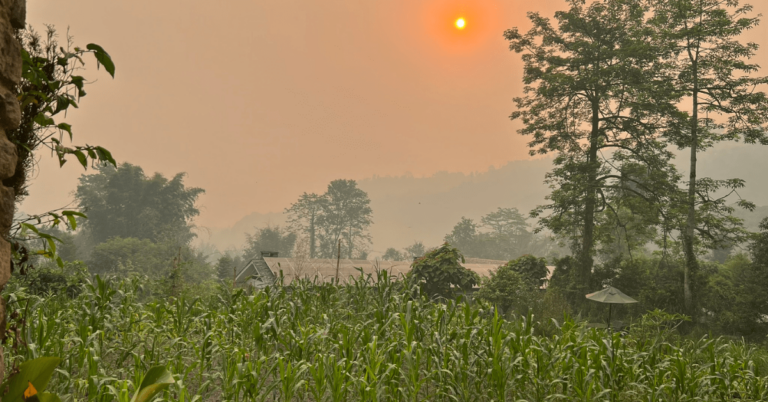
Temperatures often exceed 35°C with high humidity. The heat pushes animals toward water sources, so early mornings and late afternoons are your best bet for sightings. I visited during the shoulder season myself — it was hot, but well worth it. Crowds were thinner, accommodation was easy to book, and wildlife was plentiful.
How to Get to Chitwan National Park
Chitwan is most commonly visited from Kathmandu or Pokhara. You have three main options: flying, driving or taking a bus, and — if you’re adventurous — rafting partway there.
Flying
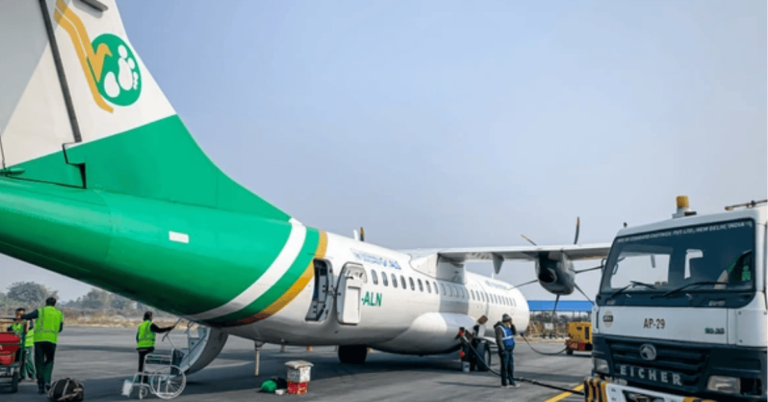
Bharatpur Airport is the closest airport to the park, though it’s still about an hour’s drive from the airport to the entrance. Flights run multiple times daily from both Kathmandu and Pokhara, each about a 20-minute flight.
Driving or bus
Tourist buses depart daily, morning and evening, from both cities. From Kathmandu it’s roughly a 5-hour drive or bus ride; from Pokhara, about 6 hours.
Rafting
Adventurous travelers can raft from Pokhara toward Chitwan, then catch a roughly one-hour bus ride for the final stretch.
Where to Stay in Chitwan National Park
For the full experience, I recommend 4 days in Chitwan. If you’re tight on time, 3 days works — anything shorter is tough given how remote the park is.
Note: none of the accommodations below book or allow elephant riding with their resident elephants.
Budget Hostel in Chitwan National Park
For tight budgets, plenty of hostels sit just outside the park entrance. Hotel National Park Sauraha, about 10 minutes from the entrance, is one of the most popular. Rooms start at $9–$25 USD, all private with private bathrooms. Cheaper rooms skip A/C, which can make summer nights hot — larger family rooms are also available.
Mid-Range Hotel in Chitwan National Park
For a mid-range stay, look no further than Sapana Village Lodge. Rooms and suites blend traditional Tharu architecture with modern comforts, and it’s the only elephant sanctuary in the Chitwan area — a genuinely eco-friendly option surrounded by lush, tranquil landscapes.
Sapana offers both standalone rooms and tour packages. I did a 3-night, 4-day package that included all meals (drinks excluded) and activities like game drives, canoeing, and jungle walks. Rooms start around $85/night; packages run around $300 per person.
Luxury Hotel in Chitwan National Park
For a splurge, consider Tiger Tops Tharu Lodge. It’s rustic, with few modern conveniences, but makes up for it with resident elephants — mahouts introduce you to each one by name as they roam their 18-acre enclosures. Days are filled with jeep drives in search of Bengal tigers, one-horned rhinos, and sloth bears; evenings wind down with sundowners by the fire and communal meals.
Rooms start at a hefty $500/night, though the lodge is part of Mr. and Mrs. Smith Hotels and can now be booked with Hyatt loyalty points. It’s closed during monsoon season.
What to See and Do in Chitwan National Park
Chitwan’s biodiversity means there’s no shortage of things to do. Here’s a guide to the must-see experiences.
Wildlife Safaris
Jeep safaris run as a half-day (morning or evening) or full-day tour, guided by local experts. Full-day tours push deeper into the park and offer better odds of spotting a Bengal tiger. I mostly did half-day tours to fit my schedule and still saw multiple rhinos, several bird species, and smaller mammals — plus a fleeting glimpse of an elephant’s backside as it disappeared into the bushes.
Nature Walks and Hiking
For a change of pace from the jeep, a guided nature walk is a great way to experience the park on foot. I did a morning walk that included breakfast — about halfway through, we stopped at a clearing to eat and watch monkeys jumping around nearby. Chances of spotting large animals are lower on foot, but not zero.
Canoe Rides
A two-hour canoe ride is a solid way to spot birds and crocodiles. It’s a fun outing, but seating is cramped — you sit on the canoe floor — so it’s worth skipping if you have back problems.
Cultural Encounters
I hadn’t planned on this, but my lodge asked if I wanted to visit a nearby Tharu village. A short 15-minute drive brought me to a local Tharu guide who shared how central the park is to her community’s culture and mentioned homestays are available too.
That evening, I attended a Tharu cultural program with traditional dances, food, and drinks available to order. By the end, they invited the whole audience to join the final performance — a genuinely memorable night.
Ethical Issues to Know Before Visiting Chitwan
Chitwan is one of my favorite parks I’ve visited, but it isn’t without ethical complications. The biggest is elephant welfare. Elephant riding safaris are easy to book here, and the saddles and baskets used can cause physical discomfort or injury to the elephants’ backs. After safaris, the elephants are typically chained and not allowed to interact with each other.
Some of that safari revenue does fund the park’s genuinely successful Bengal tiger conservation program — the program’s success is part of why elephant riding remains common, since it helps fund the effort. Before my trip, I spent hours researching lodges that don’t offer elephant riding, which is how I landed on Sapana Village Lodge.
Final Thoughts on Visiting Chitwan National Park
Visiting Chitwan offers an unmatched chance to experience Nepal’s natural beauty and cultural heritage — whether you’re on safari through the jungle, watching wildlife in its natural habitat, or spending time with the Tharu community.
Prepare well, pack smart, and get ready for an unforgettable trip. Let me know in the comments if you managed to spot a Bengal tiger.