
Egypt is a stunning country with a rich history, incredible landmarks like the Pyramids, and vibrant cities that offer countless experiences. Like many popular tourist destinations, though, it also has its share of scams targeting unsuspecting visitors.
I read a lot of blogs and reviews before my trip, and one of the most common complaints was a bad experience caused by a scam. Tourist scams happen everywhere in the world, but here are the ones I ran into in Egypt and how to sidestep them.
Trevorocity is reader-supported. When you buy through links on this site, we may earn an affiliate commission.
1. Watch Out for Overpriced Taxi Rides
Taxis in Egypt are notorious for taking advantage of tourists, especially if you’re not familiar with the local price range. Always agree on the fare before starting your journey, or better yet, use a ride-hailing app like Uber or Careem, where prices are fixed. Some drivers on ride-hailing apps will try to use the in-app chat to negotiate a higher price — if that happens, just cancel and request another driver.
I also recommend paying cash instead of card, since you’re more likely to get a driver to accept the ride. If you have to hail a street taxi, make sure the driver uses the meter if they have one. If not, negotiate the price upfront, before you get in.
2. Beware of “Free” Gifts or Services
Many tourists fall victim to the “free gift” scam, where a friendly local offers a “free” souvenir or service — a henna tattoo, a photo with a camel — only to demand an exorbitant fee afterward. Expect nothing in Egypt to be truly free. If someone offers to take your photo and you’re happy with that, a small tip is a fair trade.
3. Don’t Fall for Fake Tour Guides
Egypt has plenty of legitimate, knowledgeable guides, but you’ll also find people outside major tourist sites offering tours at inflated prices. These fake guides often have no official credentials and can hand you misinformation along with the tour.
If you want a guide, take your time and research before your visit. TripAdvisor has a solid list of recommended guides — trust reviews from accounts with a real posting history. Some guides review themselves, but you can usually spot it: a glowing review from a brand-new account with only a handful of posts. I found three of my guides through Viator, and all three were knowledgeable and fairly priced.
4. Don’t Get Pulled Into Street Performances
You may run into street performers or musicians who ask for money after playing, whether you asked for a show or not. They’ll sometimes follow you for a bit — just decline politely and keep walking.
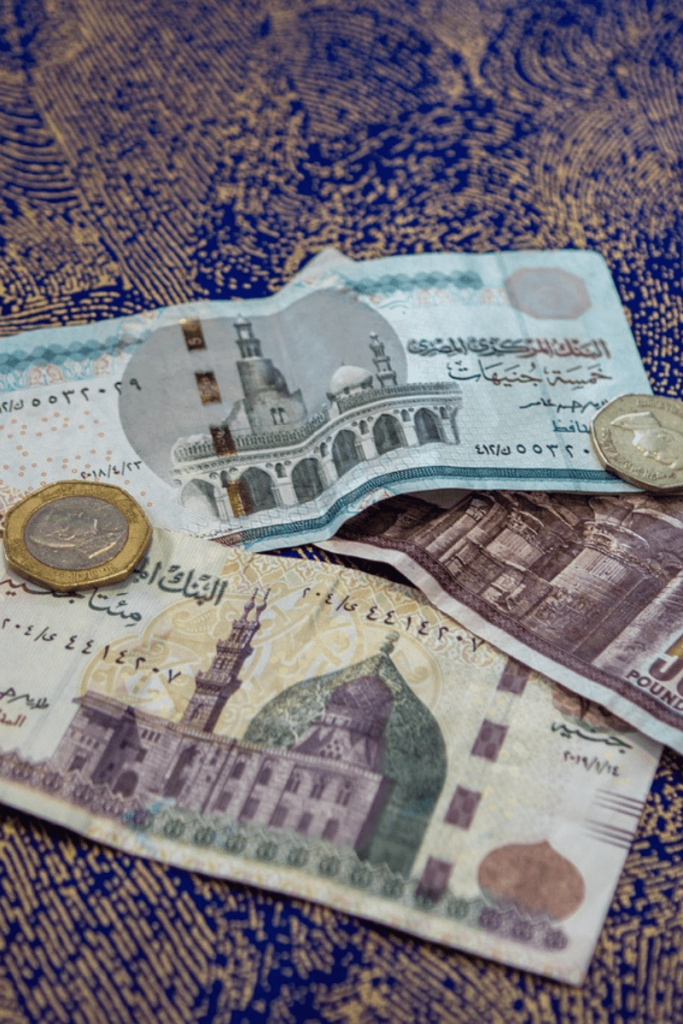
5. Be Careful With Currency Exchange
Exchanging money on the street or in random shops is a major scam risk in Egypt — expect a terrible exchange rate. The good news is that many places accept the Egyptian pound, British pound, or US dollar directly.
If you want Egyptian pounds, use an ATM. You’ll find them at banks and most hotels. Check the withdrawal fee first, since it can be high, and note that ATMs often cap how much you can withdraw per transaction, so you may need to make a few.
6. Know the “Hidden Charges” at Restaurants and Shops
Some restaurants or shops will add “service fees” or “tourist charges” to your bill without much warning. These can be excessive and sometimes aren’t disclosed until after you’ve already ordered. Always check your bill carefully before paying, and ask about extra charges upfront.
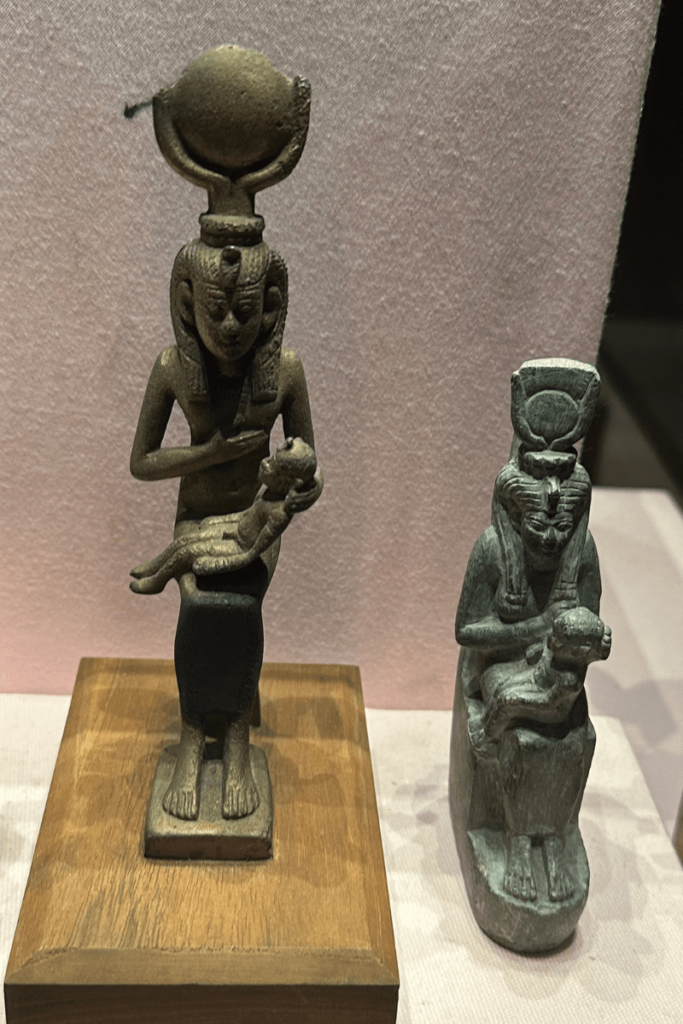
7. Avoid Buying “Ancient” Artifacts or Antiquities
Egypt is home to incredible archaeological wonders, which also makes it a hotspot for counterfeits. Street vendors and unofficial shops will tempt you with “ancient” pieces that are often cheap knockoffs made elsewhere, sold at wildly inflated prices. Even if a piece were genuine, buying it would be illegal. Multiple tour guides flagged this to me as one of the most common scams in the country.
8. Beware of the “This Site Is Closed” Scam
You may be walking toward a temple, museum, or other site when someone stops you and says it’s closed for prayer, a holiday, or renovations. They’ll then offer to take you somewhere “even better,” which usually means a shop, a different (often fake) attraction, or a spot where their friend is waiting to sell you something. The site is almost never actually closed.
If you hear this, don’t change your plans based on a stranger’s word. Walk up to the entrance yourself and check with an official ticket booth or a guard in uniform. If a site really is closed, your hotel or a legitimate guide will know in advance, so it’s worth double-checking with them before you set out.
Final Thoughts on Common Scams in Egypt
Egypt is a magnificent destination with an incredible history and an overwhelming sense of adventure waiting to be discovered. By staying aware of common scams, respecting the local culture, and taking practical steps to protect your belongings and finances, you can fully enjoy the magic of Egypt without letting scammers get in the way.
The key to a successful trip is preparation. Know what to expect, stay alert, and your visit to Egypt will be as enjoyable, enriching, and memorable as it should be.


One Comment